What is the difference between cosmetic and paramedical tattooing?
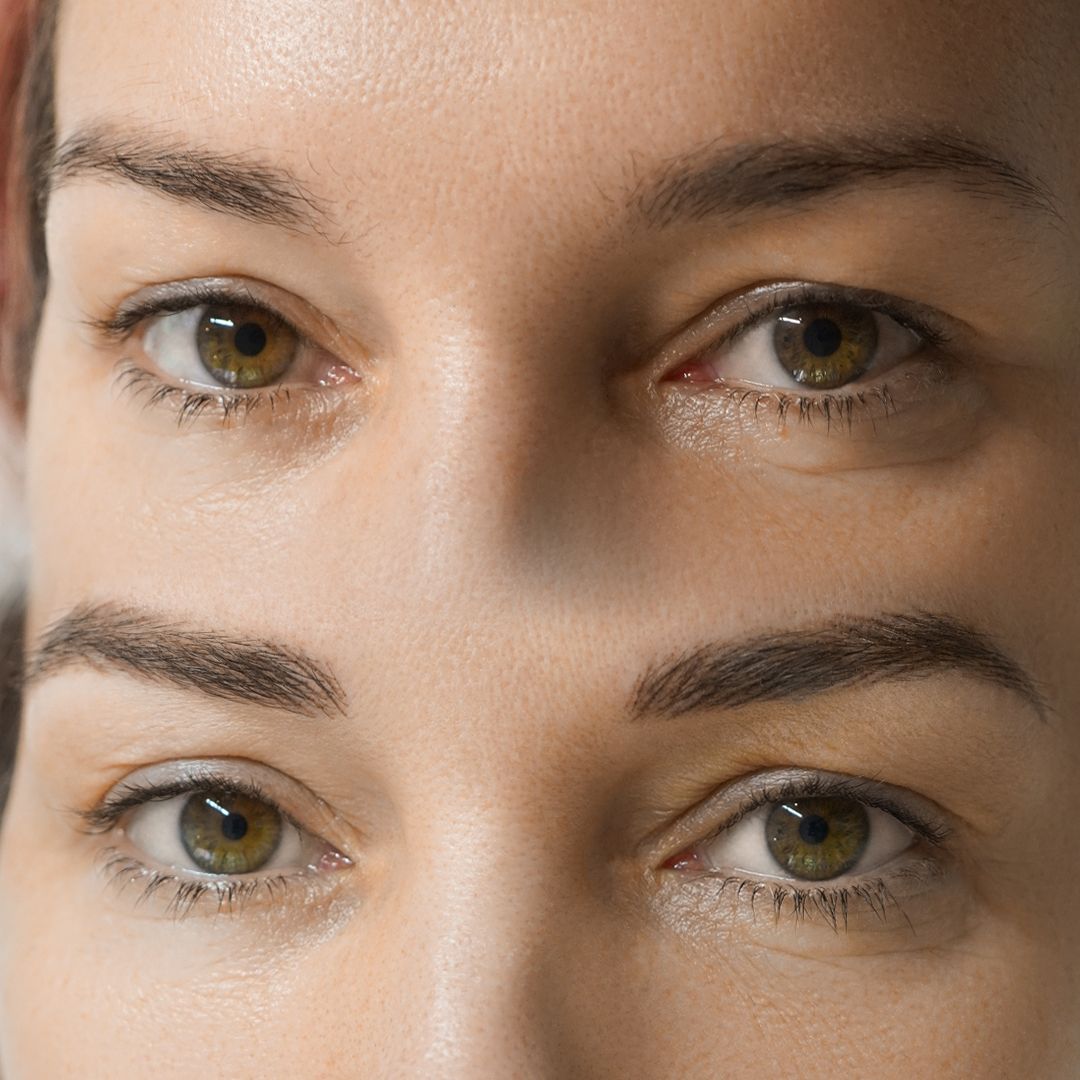
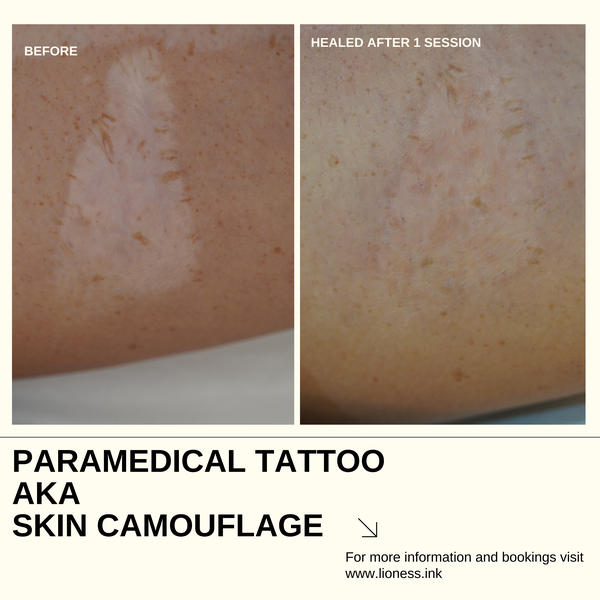
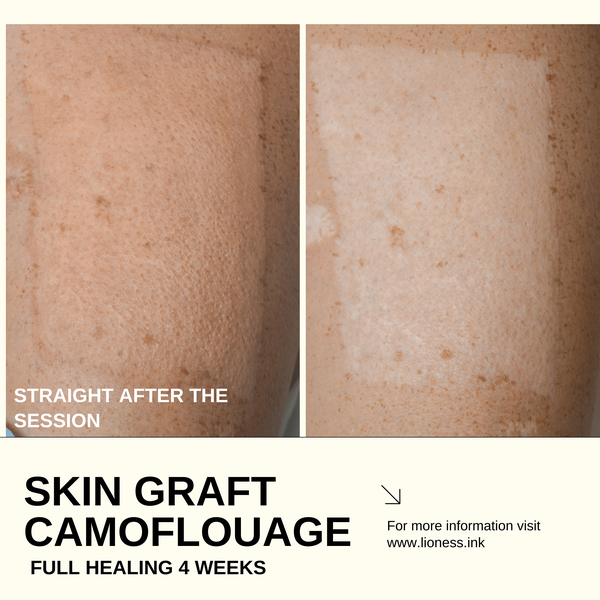
Cosmetic tattooing generally involves placing pigment to alter the appearance of areas such as the eyebrows or lips. Paramedical tattooing may be considered to camouflage selected areas of scarring or altered pigmentation. These are different applications with different suitability considerations. A doctor should assess relevant medical or skin concerns before a procedure is recommended.
Can paramedical tattooing cover a raised or newly healed scar?
Not every scar is suitable for tattoo camouflage. The age, thickness, colour, stability and location of a scar can influence whether pigment placement is appropriate. Some scars may require medical assessment or another management approach first. A doctor should assess the scar and explain whether tattooing, scar treatment, further healing or no procedure is the safer option.
What are the risks of cosmetic tattooing on the eyebrows or lips?
Cosmetic tattooing involves skin penetration and can cause discomfort, swelling, infection, allergic reactions, scarring or unwanted pigment changes. The final appearance may differ from the intended colour or shape. A proper assessment should address your skin history, previous procedures, pigment-related concerns, hygiene practices, aftercare and what options exist if an unexpected result occurs.
Can I choose the pigment colour, and will it stay the same?
Colour selection should involve discussion of your preferences, natural colouring, skin characteristics and the limitations of tattoo pigments. The appearance can change during healing and over time, and fading does not mean the pigment can be completely or predictably removed. The practitioner should explain these uncertainties and obtain informed consent before treatment is undertaken.
Can a changing mole or dark patch be covered with a cosmetic tattoo?
A new or changing mole, unexplained dark patch or suspicious lesion should not simply be covered with pigment. Such changes may require medical examination to determine their cause. Tattooing over an unassessed lesion could make subsequent monitoring more difficult. A doctor should assess the skin concern first and advise whether investigation, monitoring or referral is necessary.